The kitchen has evolved from a purely functional space to the heart of the home. Modern kitchen design embraces this shift, blending sophisticated aesthetics with unparalleled practicality. It’s about creating a space that is not only beautiful to look at but also intuitive and efficient to use, catering to the dynamic needs of contemporary living. This design philosophy prioritizes clean lines, uncluttered surfaces, and the seamless integration of technology, making the kitchen a true reflection of a modern lifestyle.
The Core Principles of Modern Kitchen Design
At its essence, modern kitchen design is about simplicity, functionality, and a touch of minimalism. It eschews ornate details and elaborate embellishments in favor of a streamlined, elegant appearance. This approach creates a sense of calm and order, allowing the materials and the layout to speak for themselves. The emphasis is on creating a cohesive look where every element serves a purpose, contributing to both the visual appeal and the operational efficiency of the space.
Clean Lines and Geometric Forms
One of the most defining characteristics of modern kitchens is their reliance on clean lines and geometric forms. This translates to cabinetry with flat-front doors and drawers, often handleless for an even sleeker look. Countertops are typically smooth and uninterrupted, and architectural elements tend to be straight and precise. This geometric precision contributes to a sense of order and sophistication, making the kitchen feel expansive and organized.
Emphasis on Functionality and Workflow
Modern design doesn’t sacrifice practicality for aesthetics. In fact, functionality is paramount. The layout of a modern kitchen is carefully planned to optimize workflow, ensuring that the distance between key work zones – the refrigerator, sink, and oven – is minimized. This thoughtful arrangement makes cooking and food preparation more efficient and enjoyable. Storage solutions are also key, with integrated pantries, pull-out drawers, and smart organizers designed to keep clutter at bay and essentials within easy reach.
Material Choices: Texture and Durability
The selection of materials plays a crucial role in modern kitchen design. Natural materials like wood, stone, and metal are often incorporated, but with a contemporary twist. Think sleek, polished concrete countertops, rich, dark wood cabinetry with a matte finish, or brushed stainless steel appliances. The aim is to balance warmth and texture with a sense of clean sophistication. Durability is also a key consideration, as modern kitchens are built to withstand the rigues of daily use while maintaining their aesthetic appeal over time.
Key Elements of Modern Kitchen Aesthetics
Modern kitchen aesthetics are characterized by a curated selection of elements that work in harmony to create a cohesive and visually appealing space. It’s about making deliberate choices that enhance both form and function, resulting in a kitchen that feels both current and timeless.
Cabinetry: Sleek and Streamlined
Cabinetry in modern kitchens is typically characterized by its flat-panel doors and drawers. This minimalist approach eliminates the need for decorative hardware, often opting for integrated pulls or push-to-open mechanisms for a seamless look. Finishes can range from high-gloss lacquers that reflect light and create a sense of spaciousness to matte laminates or natural wood veneers that add warmth and texture. The color palette often leans towards neutral tones like white, grey, black, or natural wood hues, though bold accent colors can be introduced strategically.
Countertops: Durable and Chic
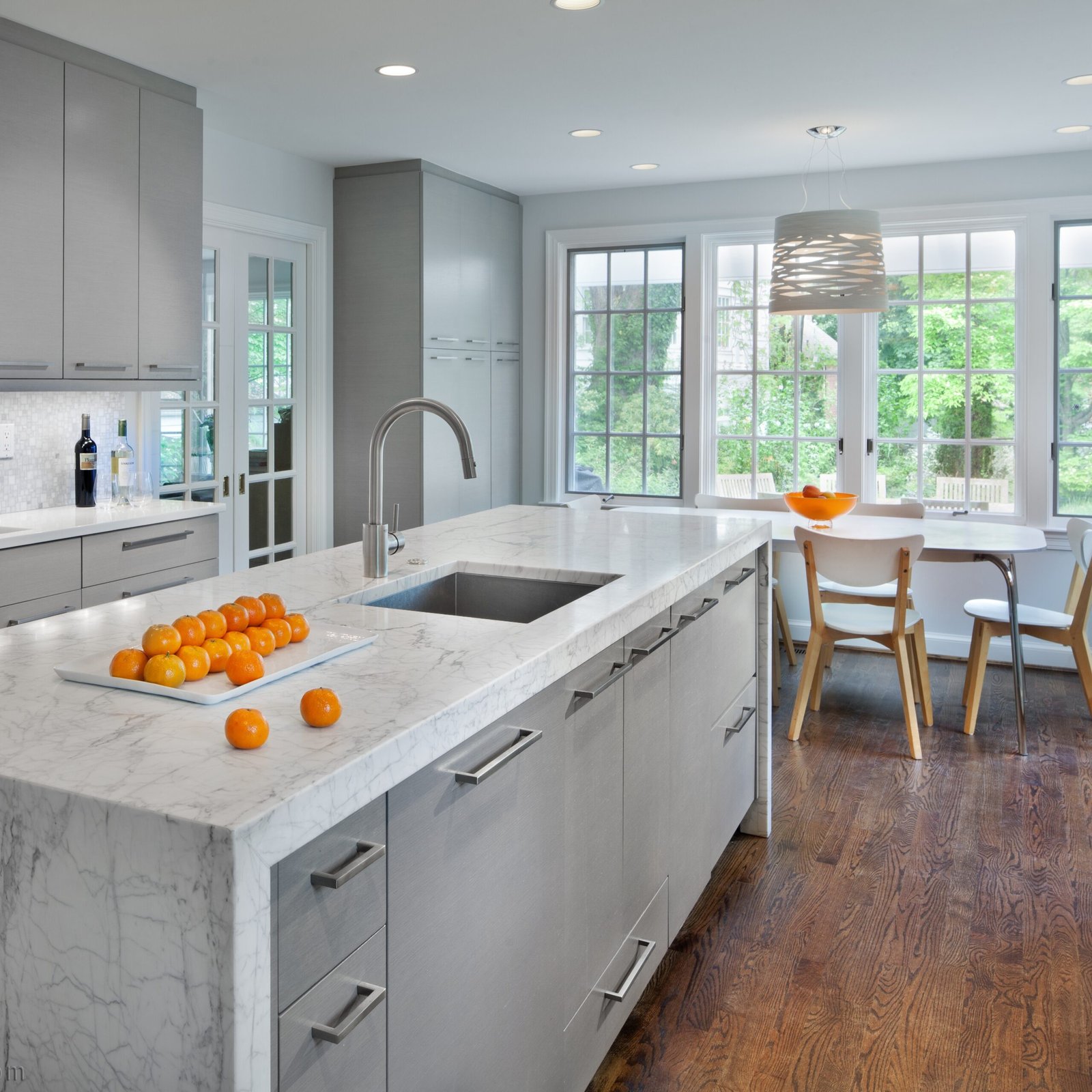
Countertops are a focal point in any kitchen, and in modern designs, they often serve as a sleek, durable surface. Quartz and granite remain popular choices due to their resilience and sophisticated appearance. However, materials like polished concrete, stainless steel, and even durable solid surfaces are also increasingly used to achieve a contemporary edge. Edge profiles are usually simple and clean, avoiding decorative bevels or intricate detailing.
Color Palettes and Lighting
Modern kitchens often favor a restrained color palette. Whites, grays, and blacks provide a sophisticated and versatile backdrop. Natural wood tones add warmth and an organic touch, preventing the space from feeling too sterile. Strategic pops of color can be introduced through accessories, backsplashes, or even a single statement appliance. Lighting is also crucial, with a layered approach combining ambient, task, and accent lighting to create both functionality and atmosphere. Under-cabinet lighting, pendant lights over an island, and recessed ceiling lights are common elements.
Appliances: Integrated and Smart
The integration of appliances is a hallmark of modern kitchen design. Many appliances are built-in and concealed behind cabinetry panels to maintain the seamless look. Stainless steel remains a popular finish for freestanding appliances, offering a durable and professional aesthetic. The trend towards smart appliances, controllable via smartphones or voice commands, also aligns perfectly with the modern ethos, bringing cutting-edge technology into the heart of the home.
Innovations and Trends in Modern Kitchens
The landscape of modern kitchen design is continually evolving, driven by technological advancements and changing lifestyle needs. Staying abreast of these innovations can help homeowners create spaces that are not only stylish but also incredibly functional and future-proof.
Smart Home Technology Integration
Smart kitchens are no longer a futuristic concept; they are a present reality. This includes appliances with Wi-Fi connectivity, voice-activated assistants, smart faucets, and even integrated display screens for recipes or entertainment. These technologies aim to simplify tasks, enhance efficiency, and add an element of convenience to daily kitchen routines. Imagine a refrigerator that can track inventory or an oven that can be preheated remotely.
Sustainable and Eco-Friendly Materials
A growing awareness of environmental impact has led to an increased demand for sustainable and eco-friendly materials in kitchen design. This includes recycled glass countertops, bamboo cabinetry, reclaimed wood accents, and low-VOC (volatile organic compound) finishes. These choices not only benefit the planet but also contribute to a healthier indoor environment.
Multifunctional Islands and Zones
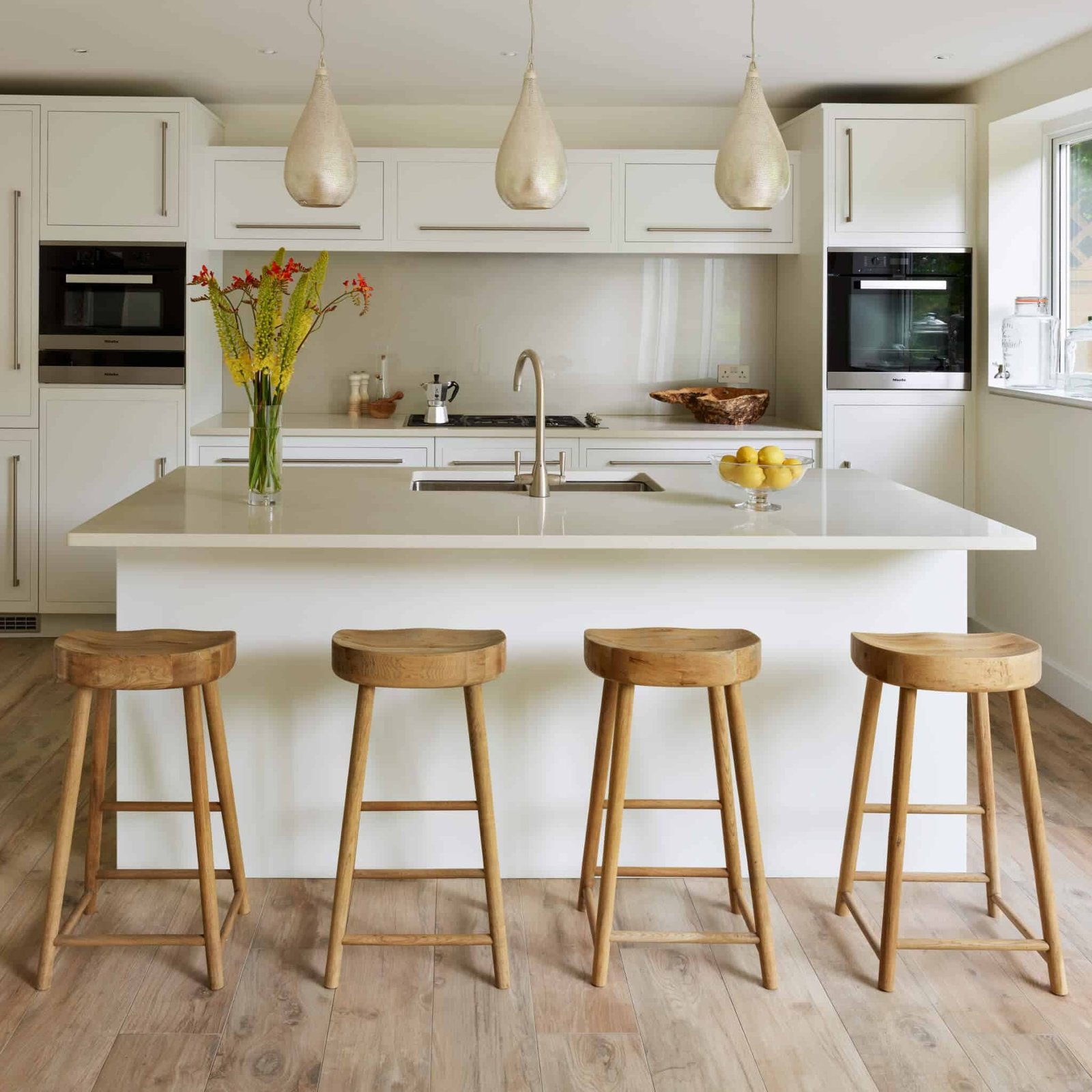
Kitchen islands have become more than just an extra workspace. In modern designs, they are often designed as multifunctional hubs that can accommodate dining, homework, entertaining, and even integrated appliances or sinks. Creating distinct zones within the kitchen, such as a dedicated coffee station or a baking area, further enhances its functionality and caters to the diverse activities that take place within this central space.
Open-Concept Living and Flow
Modern kitchen design is inextricably linked with open-concept living. The kitchen is often seamlessly integrated into the living and dining areas, fostering a sense of connection and inclusivity. This design choice promotes a more fluid and social environment, making the kitchen an ideal space for entertaining and family gatherings. The emphasis is on creating a sense of spaciousness and ensuring that the kitchen feels like an extension of the overall living space.
Frequently Asked Questions about Modern Kitchen Design
What are the key features of a modern kitchen?
Key features include clean lines, flat-panel cabinetry, minimalist hardware (or no hardware), a focus on functionality and workflow, and the use of materials like quartz, granite, stainless steel, and sleek wood finishes. Neutral color palettes are common, often complemented by smart lighting solutions and integrated appliances.
Are modern kitchens difficult to maintain?
Generally, modern kitchens are designed for ease of maintenance. The use of durable materials like quartz and granite, along with seamless cabinetry and countertops, means fewer nooks and crannies for dirt to accumulate. Regular cleaning with appropriate products will keep them looking their best.
What is the difference between modern and contemporary kitchen design?
While often used interchangeably, modern design refers to a specific era (early to mid-20th century) with a focus on sleek lines and functionalism. Contemporary design, on the other hand, is about what’s current and evolving, often incorporating modern principles but also embracing new trends, materials, and technologies. A modern kitchen is always contemporary, but a contemporary kitchen isn’t necessarily strictly modern.
How can I incorporate modern design into a small kitchen?
In a small kitchen, the principles of modern design are even more impactful. Opt for light colors to make the space feel larger, use handleless cabinetry, and prioritize smart storage solutions. Integrated appliances and a well-designed, possibly compact, island or peninsula can also enhance functionality without overwhelming the space. Good lighting is crucial to making a small kitchen feel open and airy.
In conclusion, modern kitchen design is a dynamic and evolving field that prioritizes beauty, efficiency, and comfort. By focusing on clean aesthetics, smart functionality, and the thoughtful integration of materials and technology, you can create a kitchen that not only meets the demands of contemporary living but also serves as a stylish and inviting centerpiece for your home.odern Kitchen Design: Sleek Styles & Smart Functionality
The kitchen has evolved from a purely functional space to the heart of the home. Modern kitchen design embraces this shift, blending sophisticated aesthetics with unparalleled practicality. It’s about creating a space that is not only beautiful to look at but also intuitive and efficient to use, catering to the dynamic needs of contemporary living. This design philosophy prioritizes clean lines, uncluttered surfaces, and the seamless integration of technology, making the kitchen a true reflection of a modern lifestyle.
The Core Principles of Modern Kitchen Design
At its essence, modern kitchen design is about simplicity, functionality, and a touch of minimalism. It eschews ornate details and elaborate embellishments in favor of a streamlined, elegant appearance. This approach creates a sense of calm and order, allowing the materials and the layout to speak for themselves. The emphasis is on creating a cohesive look where every element serves a purpose, contributing to both the visual appeal and the operational efficiency of the space.
Clean Lines and Geometric Forms
One of the most defining characteristics of modern kitchens is their reliance on clean lines and geometric forms. This translates to cabinetry with flat-front doors and drawers, often handleless for an even sleeker look. Countertops are typically smooth and uninterrupted, and architectural elements tend to be straight and precise. This geometric precision contributes to a sense of order and sophistication, making the kitchen feel expansive and organized.
Emphasis on Functionality and Workflow
Modern design doesn’t sacrifice practicality for aesthetics. In fact, functionality is paramount. The layout of a modern kitchen is carefully planned to optimize workflow, ensuring that the distance between key work zones – the refrigerator, sink, and oven – is minimized. This thoughtful arrangement makes cooking and food preparation more efficient and enjoyable. Storage solutions are also key, with integrated pantries, pull-out drawers, and smart organizers designed to keep clutter at bay and essentials within easy reach.
Material Choices: Texture and Durability
The selection of materials plays a crucial role in modern kitchen design. Natural materials like wood, stone, and metal are often incorporated, but with a contemporary twist. Think sleek, polished concrete countertops, rich, dark wood cabinetry with a matte finish, or brushed stainless steel appliances. The aim is to balance warmth and texture with a sense of clean sophistication. Durability is also a key consideration, as modern kitchens are built to withstand the rigues of daily use while maintaining their aesthetic appeal over time.
Key Elements of Modern Kitchen Aesthetics
Modern kitchen aesthetics are characterized by a curated selection of elements that work in harmony to create a cohesive and visually appealing space. It’s about making deliberate choices that enhance both form and function, resulting in a kitchen that feels both current and timeless.
Cabinetry: Sleek and Streamlined
Cabinetry in modern kitchens is typically characterized by its flat-panel doors and drawers. This minimalist approach eliminates the need for decorative hardware, often opting for integrated pulls or push-to-open mechanisms for a seamless look. Finishes can range from high-gloss lacquers that reflect light and create a sense of spaciousness to matte laminates or natural wood veneers that add warmth and texture. The color palette often leans towards neutral tones like white, grey, black, or natural wood hues, though bold accent colors can be introduced strategically.
Countertops: Durable and Chic
Countertops are a focal point in any kitchen, and in modern designs, they often serve as a sleek, durable surface. Quartz and granite remain popular choices due to their resilience and sophisticated appearance. However, materials like polished concrete, stainless steel, and even durable solid surfaces are also increasingly used to achieve a contemporary edge. Edge profiles are usually simple and clean, avoiding decorative bevels or intricate detailing.
Color Palettes and Lighting
Modern kitchens often favor a restrained color palette. Whites, grays, and blacks provide a sophisticated and versatile backdrop. Natural wood tones add warmth and an organic touch, preventing the space from feeling too sterile. Strategic pops of color can be introduced through accessories, backsplashes, or even a single statement appliance. Lighting is also crucial, with a layered approach combining ambient, task, and accent lighting to create both functionality and atmosphere. Under-cabinet lighting, pendant lights over an island, and recessed ceiling lights are common elements.
Appliances: Integrated and Smart
The integration of appliances is a hallmark of modern kitchen design. Many appliances are built-in and concealed behind cabinetry panels to maintain the seamless look. Stainless steel remains a popular finish for freestanding appliances, offering a durable and professional aesthetic. The trend towards smart appliances, controllable via smartphones or voice commands, also aligns perfectly with the modern ethos, bringing cutting-edge technology into the heart of the home.
Innovations and Trends in Modern Kitchens
The landscape of modern kitchen design is continually evolving, driven by technological advancements and changing lifestyle needs. Staying abreast of these innovations can help homeowners create spaces that are not only stylish but also incredibly functional and future-proof.
Smart Home Technology Integration
Smart kitchens are no longer a futuristic concept; they are a present reality. This includes appliances with Wi-Fi connectivity, voice-activated assistants, smart faucets, and even integrated display screens for recipes or entertainment. These technologies aim to simplify tasks, enhance efficiency, and add an element of convenience to daily kitchen routines. Imagine a refrigerator that can track inventory or an oven that can be preheated remotely.
Sustainable and Eco-Friendly Materials
A growing awareness of environmental impact has led to an increased demand for sustainable and eco-friendly materials in kitchen design. This includes recycled glass countertops, bamboo cabinetry, reclaimed wood accents, and low-VOC (volatile organic compound) finishes. These choices not only benefit the planet but also contribute to a healthier indoor environment.
Multifunctional Islands and Zones
Kitchen islands have become more than just an extra workspace. In modern designs, they are often designed as multifunctional hubs that can accommodate dining, homework, entertaining, and even integrated appliances or sinks. Creating distinct zones within the kitchen, such as a dedicated coffee station or a baking area, further enhances its functionality and caters to the diverse activities that take place within this central space.
Open-Concept Living and Flow
Modern kitchen design is inextricably linked with open-concept living. The kitchen is often seamlessly integrated into the living and dining areas, fostering a sense of connection and inclusivity. This design choice promotes a more fluid and social environment, making the kitchen an ideal space for entertaining and family gatherings. The emphasis is on creating a sense of spaciousness and ensuring that the kitchen feels like an extension of the overall living space.
Frequently Asked Questions about Modern Kitchen Design
What are the key features of a modern kitchen?
Key features include clean lines, flat-panel cabinetry, minimalist hardware (or no hardware), a focus on functionality and workflow, and the use of materials like quartz, granite, stainless steel, and sleek wood finishes. Neutral color palettes are common, often complemented by smart lighting solutions and integrated appliances.
Are modern kitchens difficult to maintain?
Generally, modern kitchens are designed for ease of maintenance. The use of durable materials like quartz and granite, along with seamless cabinetry and countertops, means fewer nooks and crannies for dirt to accumulate. Regular cleaning with appropriate products will keep them looking their best.
What is the difference between modern and contemporary kitchen design?
While often used interchangeably, modern design refers to a specific era (early to mid-20th century) with a focus on sleek lines and functionalism. Contemporary design, on the other hand, is about what’s current and evolving, often incorporating modern principles but also embracing new trends, materials, and technologies. A modern kitchen is always contemporary, but a contemporary kitchen isn’t necessarily strictly modern.
How can I incorporate modern design into a small kitchen?
In a small kitchen, the principles of modern design are even more impactful. Opt for light colors to make the space feel larger, use handleless cabinetry, and prioritize smart storage solutions. Integrated appliances and a well-designed, possibly compact, island or peninsula can also enhance functionality without overwhelming the space. Good lighting is crucial to making a small kitchen feel open and airy.
In conclusion, modern kitchen design is a dynamic and evolving field that prioritizes beauty, efficiency, and comfort. By focusing on clean aesthetics, smart functionality, and the thoughtful integration of materials and technology, you can create a kitchen that not only meets the demands of contemporary living but also serves as a stylish and inviting centerpiece for your home.